Every household has the drawer. Three or four phones, one with a cracked corner, one that’s a backup to a backup. They lose something like 15 to 20 percent of their resale value per year just sitting there. The decision is sell, donate, or keep, and the honest version of that decision takes ten minutes per device.
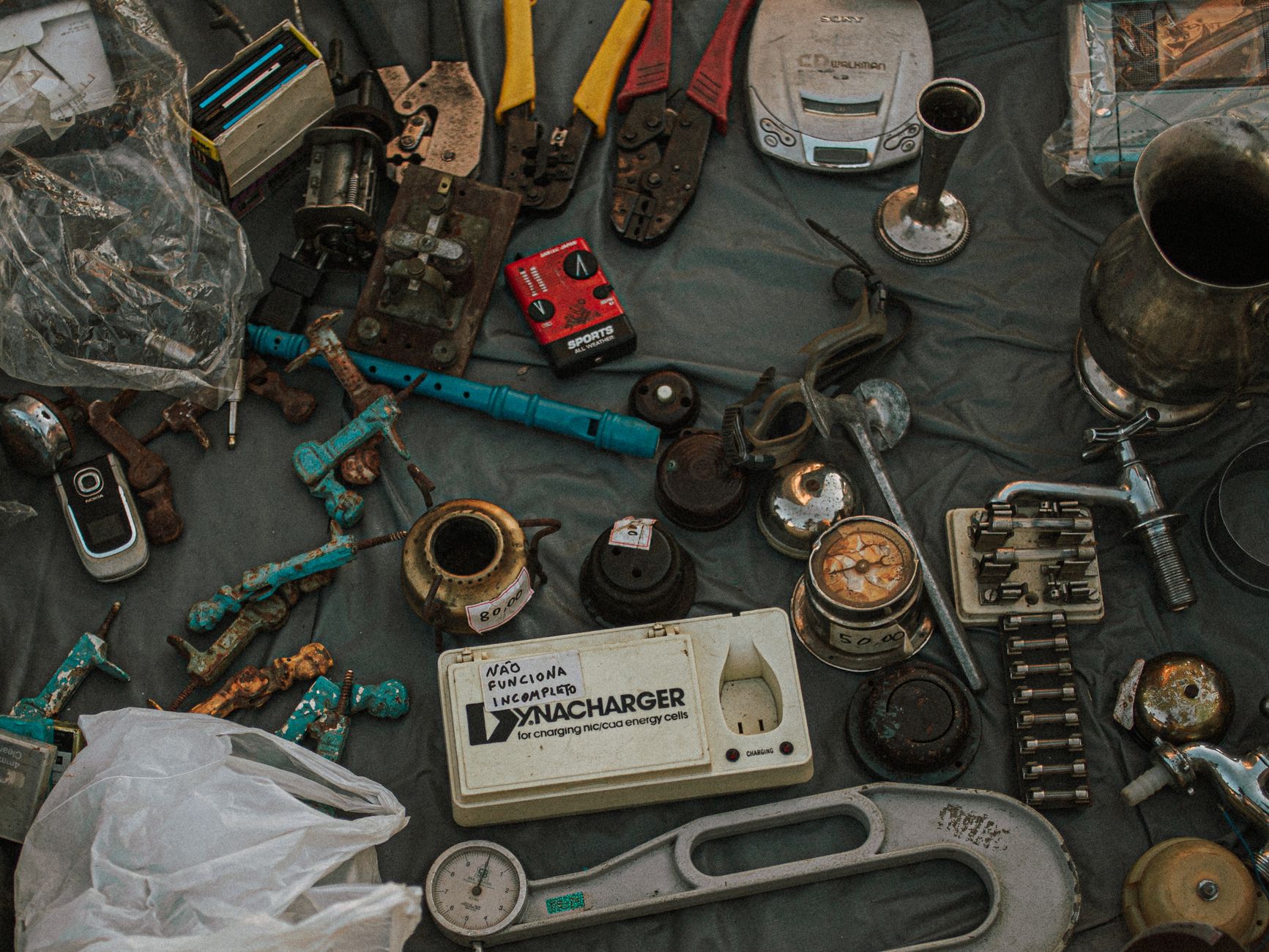
Triage in ten minutes
Boot each phone. Check three things: does it charge, does the screen light up clean, does the battery last an hour off the charger. That’s your condition grade. Then ask one question per phone: does anyone actually use this?
Keep it if it has a job. Dashcam. Gym music player. Kid’s device. Travel phone you won’t cry over. Test bench for ROM experiments. Alarm clock that won’t tempt you at 2 a.m. One spare phone per household is reasonable. Three spares is a museum.
Donate it if selling would fetch under about $50. Charities and community programs take working Android phones, wipe them, and pass them to people who genuinely need one. Many carriers and electronics stores run take-back programs that handle the recycling properly. A five-year-old phone with a working screen is useful to someone. Include the charger and check that the phone isn’t locked to a carrier that won’t activate it.
Sell it if the value clears the hassle. That part is where people leave money on the table.
Listing photos that actually sell
Shoot in daylight near a window, on a plain background. Four photos minimum. Front with the screen on and a white background visible, which proves the panel has no burn-in. Back. The worst scratch or scuff you have, because buyers trust listings that show flaws. Then the accessories laid out flat. A lit screen in the first image lifts click-through noticeably.
Write the description like an inspection report: model number, storage size, battery health if the phone will report it, cracked glass, dents, what’s included. Buyers punish surprises with returns and bad reviews.
Wipe it like you mean it
Before it leaves your hands: pull the SIM and SD card, sign out of the Google account, encrypt the phone if it isn’t already, then factory reset. The order matters. A factory reset on an unencrypted older Android leaves readable fragments in flash storage, and cheap recovery tools can carve photos out of a “wiped” phone. Modern versions encrypt by default. Check anyway.
Then remove the phone from your Google account’s device list and any find-my-device registration. Factory reset protection will otherwise lock the buyer out at setup, and you’ll get an angry message from three time zones away asking for a code you can no longer generate.
Shipping without drama
Pack it like glass. Rigid box, bubble wrap, phone powered off. Lithium batteries have shipping rules, and they get specific the moment a package crosses a border. A phone packed inside the box with its battery is the simple domestic case. Loose batteries, damaged batteries, and air freight above certain watt-hour limits are the complicated cases, and the carrier’s published rules settle each one.
Insure anything worth over $100 and ship with tracking. Without tracking there’s no proof of delivery and no payout when the box “never arrives”.
Getting paid, especially across borders
Local pickup with cash works and avoids most of the machinery. For remote buyers, the marketplace’s own payment system is usually the safest middle ground, because it holds the money until delivery is confirmed and keeps a record if things get disputed.
Card payments and peer-to-peer payment apps carry chargeback risk: the buyer pays, receives the phone, then disputes the charge and keeps both. Bigger marketplaces pour money into card fraud monitoring and dispute recovery behind the scenes, which is exactly what that risk is. For phones worth over $200, prefer a method with real seller protection and read what it covers before you list. Some protection policies exclude electronics, or exclude items shipped internationally, or cap payouts well under the sale price.
Buyers in other countries add two costs: currency conversion and patience. Your listing in dollars, their card in euros, a spread somewhere in the middle, and a payout that lands three to five business days later. Cross-border fees on a $300 phone commonly run 3 to 8 percent depending on the route, and the exchange rate a payment service quotes you is a fee wearing a different hat. Agree on the currency before you ship. It’s the difference between a $285 sale and a $260 one.
Keep one spare and stop
When the drawer is down to a single phone, you’re done. One device with a known history covers you for the day your main phone dies in a parking lot. Everything else was storage cost and lost resale value wearing a drawer as a disguise.